To continue, you need to confirm that it's you.
Use the verification code we just sent to your e‑mail to continue.
Enter the 6‑digit code below to access the page you wanted to open.
Haven't received a code? Check your spam folder or request a new code.
The story of Léon Verhelst
-
1872
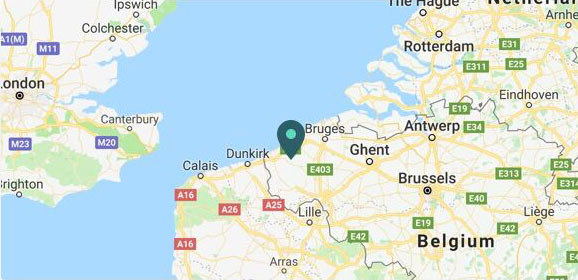
Birth of Léon Verhelst in Diksmuide, 20 February 1872. He is the 3rd born into a family of 10 children and grew up in his father's brewery, Het Gouden Kruis.
-
1888
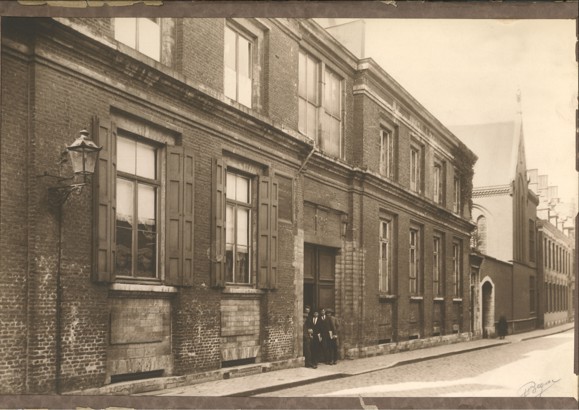
Léon enters the Brewery School at the Catholic University of Louvain, training to become an engineer/brewer.
-
1891
He graduated with the highest distinction. After a short apprenticeship at Gouden Kruis, he travels abroad for a while, studying new brewing techniques and foreign languages, including English and German.
-
1892
For the 6 years following, he successfully works for the Rodenbach family.
-
1897
He left this brewery in Roeselare at the end of 1897 when Professor Jules Vuylsteke, head of the UCL Brewery School, summoned him to assist him at the University.
-
1898
Léon Verhelst marries Marie Nolfs (Professeur Vuylsteke’s niece).
He is named a Professor at the Brewery School of the Leuven University, a chair that he will hold for 40 years.
Léon Verhelst is also recommended and assigned to the lead of the Artois breweries in Leuven.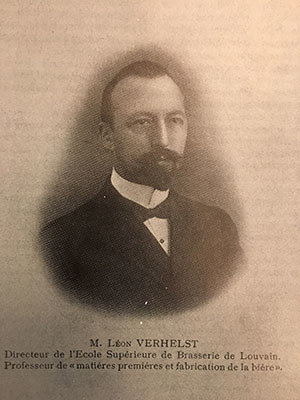
-
1901
Léon Verhelst converts the breweries to a public limited company and becomes the first Chairman of the Brouwerijen Artois NV. He lays the foundations for the company’s biggest successes.
-
1914
04.08.1914 : Invasion of Belgium
25.08.1914 : He becomes trapped in his house by the Germans, and succeeds in dodging their shots and escaping ... His house and his personal library are set on fire.
On 16 October he went into exile for an indefinite period. Until his return, he sets up a management of war by exchange of letters with Baron Eugene de Mevius and his son Gustave. -
1919
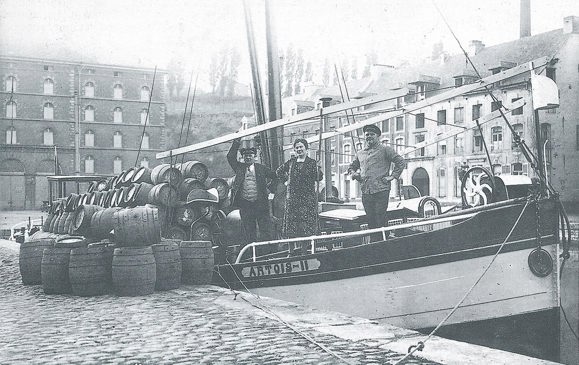
In May, Léon Verhelst returned to fill his chair and the post of President with a wealth of interesting technical findings and the experience of working in complicated circumstances.
-
1926
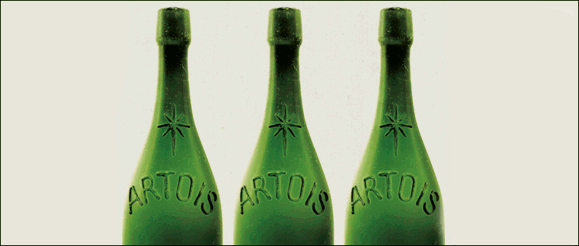
He registers the trade mark 'Stella Artois' with the Leuven’s Chamber of Commerce. A Brand that has gained a prestigious reputation since 1927.
-
1940
He concedes a large amount of money as relief to the 150 mobilized of the brewery and a special help to the families of the workers, in addition to the official help.
-
1944
Bombing of the cities of Leuven, Antwerp, Liège and Mechelen
Léon Verhelst engages fellow-brewers to help finance the rebuilding of Leuven after bombings of April and May which caused significant damages to the brewery and worker’s houses.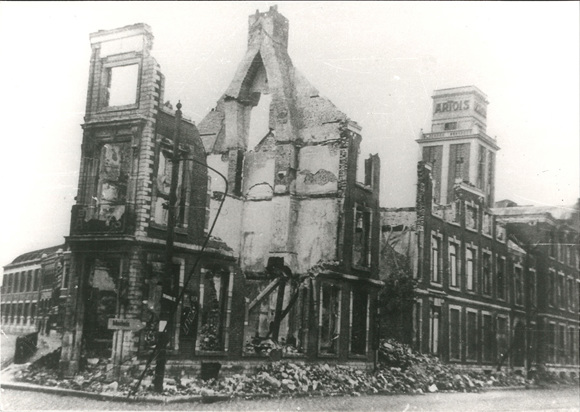
-
1945-46
Tough years for the 755 Belgian breweries still active. The rise of Artois is due to its senior management and its 600 attendants of the moment. Léon Verhelst is committed to better information and training for his employees.
-
1948
He is 76 years old, 50 years with Artois and wishes, with his wife, to make a donation after his death of a large part of his possessions on the condition that this permanent donation is destined for the benefit of the Artois brewery’s workforce.
-
1949
On January 29, the Belgian official journal publishes the bylaws of the ‘Fonds Voorzitter Verhelst’. Its primary goals are to assist employees during difficult times in their lives, but especially, to help them improve their own wellbeing and the development of their children.
In a tribute in his honor on September 15, he expresses he was particularly proud to have contributed to a large part of the company's social initiatives, often long before they became legal obligations.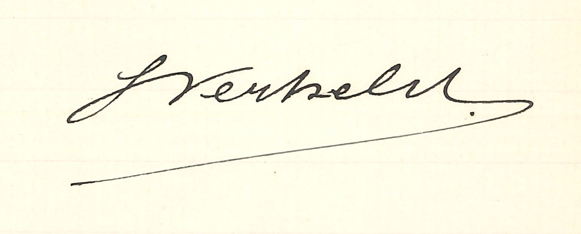
-
1955
18 November. Léon Verhelst phones to withdraw from a meeting of the Board of Directors which was to take place the next day. He did not feel well. Around 3 pm, his wife reported that her husband's condition had worsened. Later that day, Léon Verhelst passes away.
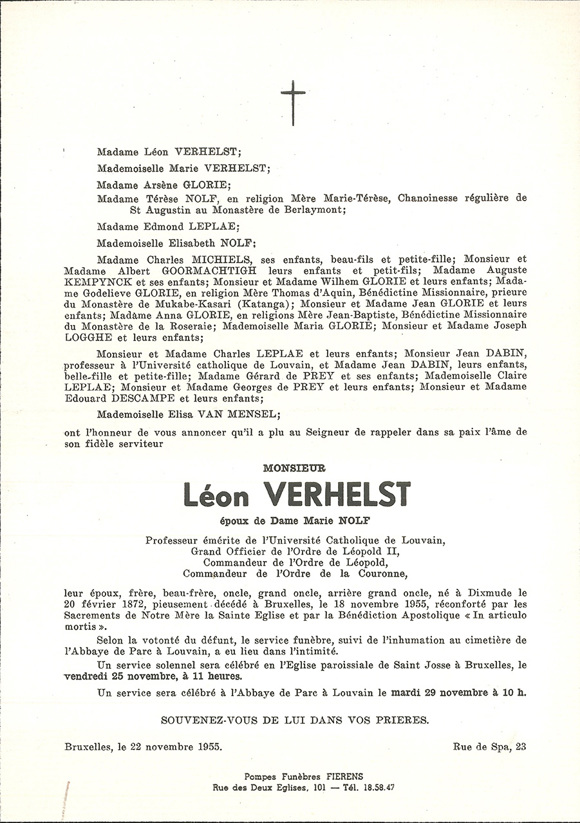
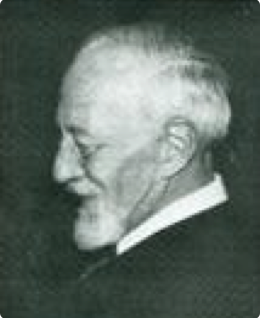
The colleagues from those days described Léon Verhelst as a modest humble man, without intrigue, without detours, without compromise. A man who acts, decides and suggests for thousands of people, first thinking of serving them. He did not appreciate the cars and traveled preferably by tram. Rather than choosing to go to the workforce restaurant, he was in his office at noon with his box of bread and a bottle of table beer.
His pupils, his colleagues and the people who knew him were marked by his rigor, his greatness and his sense of developing in each of them what was in their power to become. They describe him as a true 'minister', using the word not in its modern political sense, but in its origin Latin meaning: a humble servant.